How is leave encashment calculated in the UAE?
Leave encashment = (monthly basic salary ÷ 30) × unused leave days. Under Federal Decree-Law No. 33 of 2021, an employee who leaves before using accrued annual leave is paid for those days, calculated on the basic wage (Article 29(9)). Cabinet Resolution No. 1 of 2022 says the same for the final balance: a cash allowance according to the basic salary (Article 19(2)). Allowances such as housing and transport are not included. This page uses the 30-day month for the daily rate, the same convention used for UAE gratuity, so both parts of a final settlement are worked out consistently.
How many leave days an employee earns
Annual leave under Article 29 is 30 days for each completed year of service. An employee with more than six months but less than a year of service earns 2 days per month. For the final, incomplete year, leave is earned in proportion to the time worked: 30 × months worked ÷ 12. The unused balance at exit is everything earned, minus leave already taken, minus any days already paid out in cash during employment.
Worked example: resignation after 2 years and 4 months
An employee on AED 6,000 basic (AED 9,500 total package) resigns after 2 years and 4 months, having taken 40 days of annual leave in total. Leave earned: 30 + 30 for the two completed years, plus 30 × 4 ÷ 12 = 10 days for the final part-year, a total of 70 days. Unused balance: 70 − 40 = 30 days. Daily rate: AED 6,000 ÷ 30 = AED 200. Leave encashment: 30 × AED 200 = AED 6,000. Using the total package instead would give AED 9,500 — an overpayment of AED 3,500 compared with the legal basis.
Carry-forward and cash during employment
During employment, Article 19(1) of Cabinet Resolution No. 1 of 2022 allows an employee to carry forward up to half of the annual leave entitlement to the next year, or to agree with the employer on a cash payment instead. That payment is based on the wage that applied when the leave became due. Days that were carried forward and never used are still part of the balance at exit; days already paid in cash are not, so payroll needs a clear record of both.
Resignation vs termination
The entitlement is the same either way: accrued, unused leave is paid whether the employee resigns or the employer ends the contract. Resignation affects the notice period, not the leave balance. If leave is taken during the notice period by agreement, those days reduce the balance before encashment is calculated.
How leave encashment fits into the final settlement
Leave encashment is one line of the end-of-service settlement, alongside unpaid salary for days worked, end-of-service gratuity, and any other amounts owed under the contract. For the employee in the example, gratuity for 2 years and 4 months is 21 days' basic per year: about 49 days × AED 200 = AED 9,800, so the settlement includes AED 6,000 leave plus AED 9,800 gratuity on top of final salary. The settlement must be paid within 14 days of the end of employment (Article 53 of the Decree-Law). Final settlements for employees covered by WPS are paid through the Wage Protection System like regular salary.
How OfficeKit HR handles it
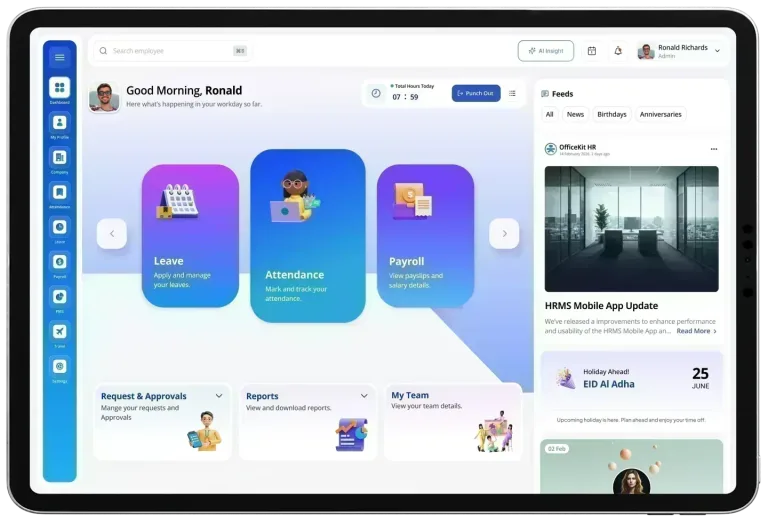
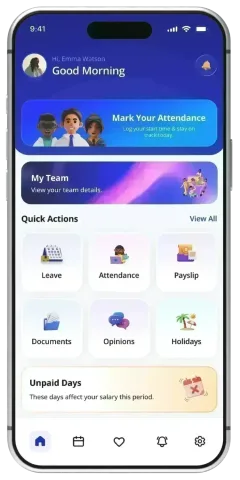
OfficeKit HR tracks each employee's leave accrual, leave taken, carry-forward and any leave paid out during employment. At exit, the final settlement takes the unused balance, applies the basic ÷ 30 daily rate, adds gratuity and final salary, and produces the settlement for approval and WPS payment. HR can see each step of the calculation rather than only the total.